

Spring Cleaning: Boost Curb Appeal with Pressure Washing
Understanding the Importance of Spring Cleaning
As the chill of winter recedes and the days grow longer, many homeowners turn their attention to spring cleaning. This seasonal ritual is an opportunity to refresh and rejuvenate your living space, both inside and out. One aspect often overlooked during spring cleaning is the exterior of your home. This is where pressure washing services come into play, providing a powerful means to restore your home's exterior surfaces to their former glory.
What is Pressure Washing?
Pressure washing, sometimes called power washing, involves using high-pressure water spray to remove dirt, grime, mold, mildew, and other contaminants from surfaces. This method is particularly effective for cleaning exterior surfaces like driveways, walkways, decks, and siding. The combination of pressure and water can reach into crevices and rough areas that traditional cleaning methods might miss, making it an indispensable part of spring cleaning for many homeowners.
Benefits of Pressure Washing
Enhanced Curb Appeal: A freshly cleaned exterior can significantly enhance your home's appearance, making it more inviting.
Preventive Maintenance: Regular pressure washing can prevent the accumulation of dirt and debris that might lead to deterioration or damage over time.
Healthier Living Environment: Removing mold and mildew can reduce allergens and promote a healthier environment for you and your family.
Increased Property Value: A well-maintained exterior can boost your home's market value, an important consideration if you're planning to sell.
Areas of Your Home to Pressure Wash
When planning your spring pressure washing, it's essential to focus on the areas that accumulate the most grime and are most visible. Here are some key areas to consider:
Driveways and Sidewalks
Your driveway and sidewalks endure heavy foot and vehicle traffic, leading to stains from oil, dirt, and organic matter. Pressure washing these surfaces can restore their original look, improving safety by removing slippery substances.
Decks and Patios
Outdoor living spaces like decks and patios are prone to collecting dirt, pollen, and mildew. Pressure washing can help preserve the wood and materials, preventing long-term damage while ensuring a clean space for entertaining and relaxation.
House Siding
The siding of your home acts as a barrier against the elements. Over time, it can become coated with dirt, algae, and mold. Pressure washing not only cleans the siding but also helps maintain its structural integrity, prolonging its lifespan.
Fences
Whether wood, vinyl, or metal, fences can accumulate grime and mildew. A thorough pressure washing can restore their appearance and prevent premature wear.
Roofs
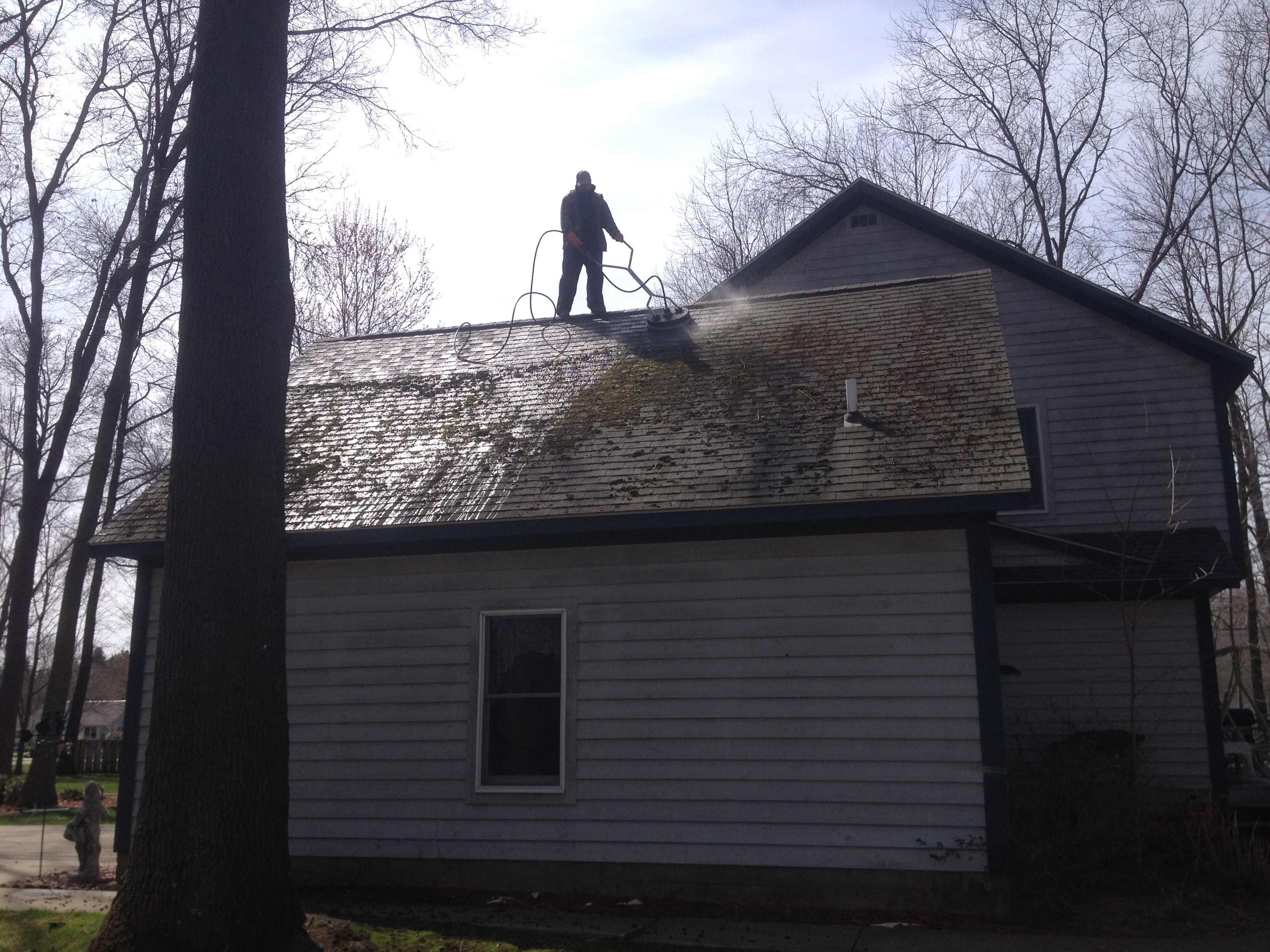
Although delicate compared to other surfaces, certain types of shingles can benefit from a gentle pressure wash to remove moss and lichen. However, it's crucial to use the right technique to avoid damage.
Choosing the Right Pressure Washing Service
When selecting a pressure washing service, there are several factors to consider to ensure you get the best results:
Experience and Reputation
Research various companies to find those with a strong reputation and extensive experience in residential pressure washing. Customer reviews and testimonials can provide valuable insights into their reliability and quality of service.
Equipment and Techniques
Ensure the company uses high-quality equipment and modern techniques. This not only guarantees a thorough clean but also reduces the risk of damage to your property.
Eco-friendly Practices
Look for services that prioritize environmentally friendly cleaning solutions. These options are effective yet gentle on your home and the surrounding ecosystem.
Insurance and Guarantees
Choose a company that is fully insured and offers satisfaction guarantees. This provides peace of mind knowing that any accidental damage or unsatisfactory work will be addressed promptly.
DIY Pressure Washing: What You Need to Know
While hiring professionals is often recommended, some homeowners opt for a DIY approach to pressure washing. If you decide to tackle this task yourself, here are some important considerations:
Equipment Rental
Pressure washers can be rented from hardware stores, offering a cost-effective solution for short-term use. Ensure you choose a machine with the appropriate power settings for the surfaces you plan to clean.
Safety Precautions
Pressure washers can cause injury if not used correctly. Always wear protective gear, including gloves and safety goggles, and be cautious of the high-pressure spray.
Technique and Surface Compatibility
Different surfaces require different pressure settings and techniques. Use a fan or cone spray nozzle for more delicate surfaces and adjust the pressure to avoid damage.
Environmental Concerns
Be mindful of where the runoff water goes. Avoid washing harmful chemicals and detergents into storm drains, and use biodegradable cleaning agents whenever possible.
Preparing for Professional Pressure Washing
If you opt for professional services, preparing your home can help ensure a smooth process:
Clear the Work Area: Remove obstacles like furniture, potted plants, and vehicles from the areas to be cleaned.
Secure Windows and Doors: Ensure all windows and doors are tightly closed to prevent water from entering your home.
Communicate Special Requests: Inform the service provider of any specific areas of concern or delicate surfaces that require special attention.
Timing Your Spring Pressure Washing
Timing is crucial for effective spring pressure washing. Here are some tips to help you schedule:
Weather Conditions: Choose a day with mild weather, avoiding extreme temperatures and rain. This ensures optimal drying conditions and maximizes the effectiveness of the cleaning.
Avoid Pollen Season: If possible, schedule your pressure washing after the peak pollen season to prevent surfaces from quickly becoming coated again with allergens.
Coordinate with Other Maintenance: Align your pressure washing with other outdoor maintenance tasks such as gutter cleaning or landscaping to streamline your spring cleaning efforts.
Maintaining Your Home Post-Pressure Wash
To maintain the cleanliness and longevity of your exterior surfaces after pressure washing, consider these tips:
Regular Inspections
Routinely inspect your home's exterior to catch any signs of dirt buildup or damage early. This allows for timely intervention and helps maintain the results of your pressure wash.
Protective Sealants
Applying a protective sealant to surfaces like decks and driveways can help resist future staining and deterioration, extending the time between cleaning sessions.
Routine Cleaning
Incorporate regular, gentle cleaning methods into your home maintenance routine. This reduces the need for frequent pressure washing, preserving both the surfaces and your budget.
Conclusion
Spring cleaning is an ideal time to refresh your home's exterior, and pressure washing services offer an efficient solution for tackling tough grime and stains. Whether you choose to hire professionals or take on the task yourself, pressure washing can dramatically improve your home's curb appeal, protect its structural integrity, and promote a healthier living environment. By following this comprehensive checklist and understanding the nuances of pressure washing, you can ensure your home is ready to shine all spring long.
Ready to give your home a fresh start this spring? Contact our expert pressure washing team to effectively clean and revitalize your exterior surfaces. Don't miss out on our seasonal promotion—schedule your appointment today for a home that shines inside and out!
.svg)