
Epoxy vs Polyaspartic Garage Coatings: West Michigan Guide
Understanding Garage Floor Coatings: A West Michigan Homeowner's Guide
When it comes to protecting and enhancing your garage floor in West Michigan, choosing the right coating system is crucial. The harsh winters, temperature fluctuations, and road salt exposure common to our region demand a flooring solution that can withstand these challenging conditions. Two of the most popular options homeowners consider are epoxy and polyaspartic coatings, each offering distinct advantages for different situations.
Your garage floor endures significant stress throughout the year, from hot tire pickup in summer to ice melt and road salt tracked in during winter months. The right coating not only protects your concrete from damage but also transforms your garage into a more functional and attractive space. Understanding the key differences between epoxy vs polyaspartic coatings will help you make an informed decision that serves your home for years to come.
Both coating systems offer superior protection compared to leaving concrete bare, but they differ significantly in application methods, durability characteristics, and long-term performance. This comprehensive comparison will examine every aspect of these coating systems to help you determine which option best fits your specific needs, budget, and timeline.
What Is Epoxy Garage Floor Coating?
Epoxy coating is a thermosetting resin system that creates a hard, durable surface when applied to concrete floors. This two-part system combines an epoxide resin with a polyamine hardener, creating a chemical reaction that results in a tough, glossy finish. Epoxy has been the go-to choice for garage floors for decades, earning its reputation through proven performance in residential and commercial applications.
The popularity of epoxy stems from its excellent adhesion properties and ability to create a seamless, non-porous surface that resists stains, chemicals, and moisture. When properly applied, epoxy transforms rough, porous concrete into a smooth surface that's easy to clean and maintain. The coating penetrates into the concrete pores, creating a mechanical bond that provides exceptional durability.
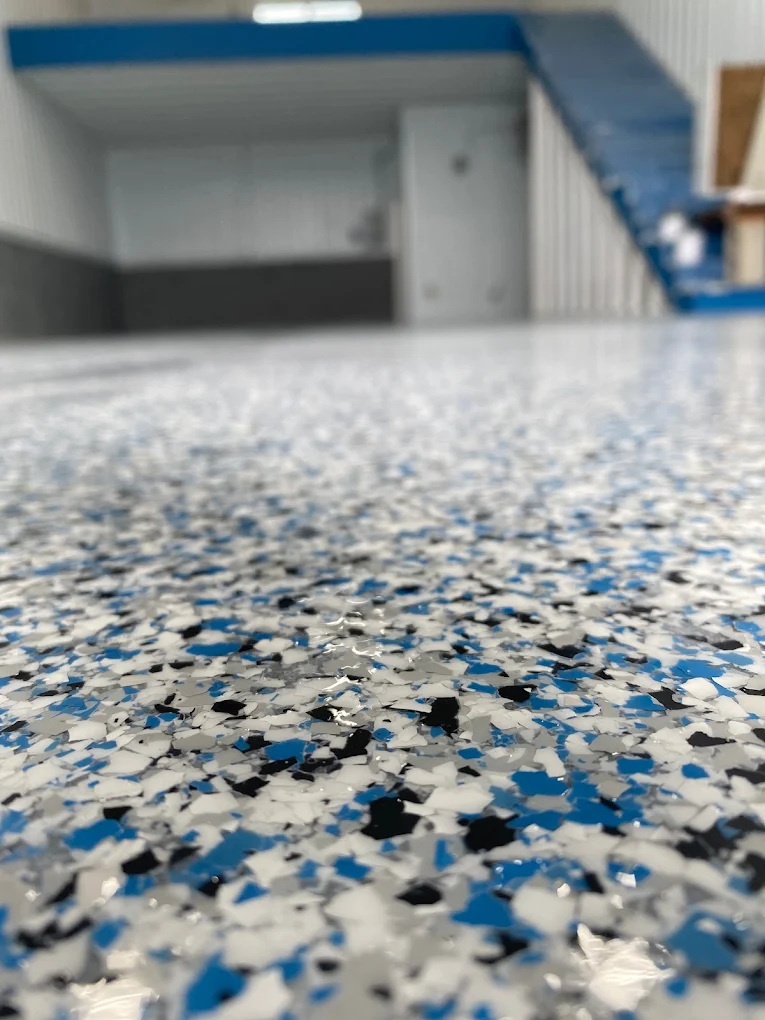
Epoxy coatings are available in various formulations, from basic single-coat systems to high-performance multi-coat applications. Most residential installations use a primer coat followed by a base color coat and optional topcoat for enhanced protection. The system can be customized with decorative elements like color flakes or metallic pigments to achieve specific aesthetic goals.
Temperature sensitivity during application is one of epoxy's defining characteristics. The coating requires specific temperature and humidity conditions for optimal curing, which can extend installation timelines but ultimately contributes to superior bonding and longevity. Professional installers carefully monitor environmental conditions to ensure proper application and curing.
Understanding Polyaspartic Garage Floor Coatings
Polyaspartic coating represents newer technology in the protective coatings industry, originally developed for industrial applications before making its way into residential markets. This aliphatic polyurea system offers rapid curing capabilities while maintaining excellent durability and chemical resistance properties.
The key advantage of polyaspartic technology lies in its fast cure time, allowing most installations to be completed in a single day. Unlike epoxy systems that require extended curing periods, polyaspartic coatings can be walked on within hours and ready for vehicle traffic the same day. This rapid turnaround makes polyaspartic an attractive option for homeowners who cannot afford extended garage downtime.
Polyaspartic coatings demonstrate exceptional UV stability, meaning they won't yellow or fade when exposed to sunlight. This characteristic makes them ideal for garages with windows or door openings that receive natural light. The coating maintains its appearance and gloss retention better than many epoxy systems over time.
The technology behind polyaspartic coatings allows for application in a wider range of temperature and humidity conditions compared to traditional epoxy. This flexibility provides installers with larger application windows and reduces the likelihood of installation delays due to weather conditions. The coating's low viscosity enables it to penetrate concrete effectively while still building sufficient film thickness for protection.
Durability and Performance Comparison
When examining epoxy vs polyaspartic in terms of durability, both systems offer excellent protection, but they excel in different areas. Epoxy coatings, when properly applied and cured, provide outstanding resistance to chemicals, abrasion, and impact damage. The thick film build possible with epoxy systems creates a robust protective barrier that can withstand heavy traffic and equipment.
Polyaspartic coatings offer superior flexibility, which helps them resist cracking from substrate movement or thermal cycling. This flexibility becomes particularly important in West Michigan's climate, where concrete substrates experience significant temperature variations throughout the year. The coating's ability to move with the substrate reduces the likelihood of coating failure at joints or crack locations.
Chemical resistance varies between the two systems depending on specific formulations. High-quality epoxy systems generally provide superior resistance to automotive fluids, oils, and caustic chemicals. However, modern polyaspartic formulations have significantly improved their chemical resistance properties, making them suitable for most residential garage applications.
Abrasion resistance represents another critical performance factor. Epoxy coatings typically offer higher abrasion resistance due to their harder surface characteristics. This makes them ideal for garages that experience heavy traffic or serve as workshops with equipment movement. Polyaspartic coatings, while not as hard as epoxy, still provide excellent abrasion resistance for typical residential use.
Installation Process and Timeline
The installation timeline represents a significant differentiator when comparing epoxy vs polyaspartic systems. Epoxy installations typically require multiple days due to curing requirements between coats. A standard three-coat epoxy system might take 3-5 days to complete, with specific waiting periods between primer, base coat, and topcoat applications.
Proper surface preparation remains critical for both systems but can be more time-consuming with epoxy due to the extended timeline. Concrete must be properly cleaned, etched or mechanically abraded, and thoroughly dried before coating application. Any contamination or moisture issues must be addressed before proceeding with the installation.
Polyaspartic systems offer the advantage of same-day completion for most residential projects. The rapid cure properties allow for primer, base coat, and topcoat application within a single day, with the floor ready for light foot traffic within hours. This speed advantage makes polyaspartic particularly attractive for busy homeowners or situations where garage access cannot be interrupted for extended periods.
Environmental conditions play a larger role in epoxy installations due to longer exposure times during curing. Temperature, humidity, and airflow must be carefully controlled throughout the multi-day process. Polyaspartic systems are less sensitive to environmental conditions during application, though proper surface preparation remains equally important.
Cost Analysis for West Michigan Homeowners
Initial material costs typically favor epoxy systems, which generally cost less per square foot than polyaspartic materials. However, true cost comparison must consider labor expenses, installation timeline, and long-term value. The extended installation timeline for epoxy may result in higher labor costs, potentially narrowing the price gap between systems.
Polyaspartic systems often command premium pricing due to newer technology and specialized application requirements. However, the single-day installation can reduce labor costs and minimize disruption to homeowners. For many West Michigan families, the convenience factor of same-day completion justifies the additional material cost.
Long-term value considerations include maintenance requirements, expected lifespan, and potential for future repairs. Both systems, when properly installed, can provide 15-20 years of service life under normal residential conditions. However, local climate factors may influence longevity, making climate-appropriate selection crucial for maximizing investment value.
Professional installation costs vary based on contractor expertise, system complexity, and local market conditions. While DIY installation is possible for both systems, the technical requirements and specialized tools often make professional installation the preferred choice. Getting multiple quotes from qualified contractors ensures competitive pricing and proper system selection.
Climate Considerations for West Michigan
West Michigan's challenging climate presents unique considerations for garage floor coatings. Winter temperatures regularly drop below freezing, while summer heat can create hot tire pickup conditions. The frequent freeze-thaw cycles place additional stress on coating systems through substrate movement and thermal cycling.
Road salt exposure represents a significant challenge for garage floors in our region. De-icing chemicals tracked into garages can be particularly aggressive toward certain coating types. Both epoxy and polyaspartic systems offer good salt resistance when properly formulated, but specific product selection may favor one system over another based on chemical resistance requirements.
Moisture management becomes critical during spring months when snow melt and rain increase humidity levels. Proper vapor barrier considerations and moisture testing before installation help prevent future coating failure. The concrete substrate must be properly dried and sealed to prevent moisture-related issues regardless of coating system selection.
Temperature flexibility during application affects installation scheduling in West Michigan's variable climate. Polyaspartic systems' ability to cure in cooler temperatures may provide installation advantages during shoulder seasons when epoxy application might be problematic due to temperature or humidity concerns.
Maintenance and Long-term Care
Daily maintenance requirements remain similar for both epoxy vs polyaspartic systems once fully cured. Both create smooth, non-porous surfaces that resist staining and can be easily cleaned with standard household cleaners. Regular sweeping and occasional mopping maintain appearance and prevent accumulation of debris that could cause scratching.
Long-term maintenance differences become apparent over time. Epoxy systems may require more frequent topcoat renewal due to UV exposure and surface wear. However, their ability to accept additional coats makes renovation relatively straightforward. Polyaspartic systems maintain their appearance longer but may require complete removal and replacement when renovation becomes necessary.
Damage repair approaches differ between the two systems. Epoxy coatings can often be spot-repaired or recoated in sections, making minor damage correction cost-effective. Polyaspartic systems' superior adhesion properties can make partial repairs more challenging, potentially requiring larger repair areas to achieve proper bonding.
Seasonal care considerations include protecting both systems from excessive moisture exposure and avoiding harsh chemical cleaners that might compromise the coating integrity. Understanding proper maintenance techniques extends system life and maintains warranty coverage for professionally installed systems.
Making the Right Choice for Your Home
Selecting between epoxy vs polyaspartic ultimately depends on prioritizing factors most important to your specific situation. Budget-conscious homeowners might lean toward epoxy systems, while those prioritizing convenience and speed may find polyaspartic worth the additional investment. Consider your garage usage patterns, aesthetic preferences, and timeline constraints when making this decision.
Professional consultation provides valuable insights into system selection based on your specific concrete condition, usage requirements, and local climate factors. Experienced contractors can assess substrate conditions and recommend appropriate surface preparation methods to ensure optimal coating performance regardless of system selection.
Quality matters significantly more than coating type in determining long-term satisfaction. Both epoxy and polyaspartic systems can provide excellent service when properly selected, installed, and maintained. Focus on choosing reputable materials and qualified installers rather than simply selecting based on coating technology alone.
Conclusion
The decision between epoxy vs polyaspartic garage floor coatings for your West Michigan home ultimately comes down to balancing performance requirements, budget considerations, and installation preferences. Both systems offer excellent protection and aesthetic enhancement when properly applied, making either choice a significant upgrade over bare concrete.
Epoxy systems provide proven performance, cost-effectiveness, and excellent chemical resistance, making them ideal for homeowners seeking maximum value and proven technology. The multi-day installation timeline may be inconvenient but results in a durable, long-lasting surface that can serve your garage for decades.
Polyaspartic coatings excel in installation convenience, UV stability, and flexibility, making them perfect for homeowners prioritizing speed and superior appearance retention. While initial costs may be higher, the rapid installation and excellent performance characteristics often justify the investment.
Consider consulting with local flooring professionals who understand West Michigan's climate challenges and can assess your specific garage conditions. Their expertise in substrate evaluation, product selection, and proper installation techniques will ensure your investment provides maximum value regardless of which coating system you ultimately choose. Remember that proper installation and quality materials matter more than coating type in determining your long-term satisfaction with your garage floor investment.
Ready to transform your garage floor? Contact our West Michigan coating specialists today for a free consultation and quote. We'll help you choose between epoxy and polyaspartic systems based on your specific needs and budget. Call (616) 555-0123 or schedule your free estimate online to get started on your garage floor upgrade project.

.svg)