

Deck & Fence Staining: Protect from West Michigan Winter
Shield Your Outdoor Spaces: A Guide to Deck and Fence Staining in West Michigan
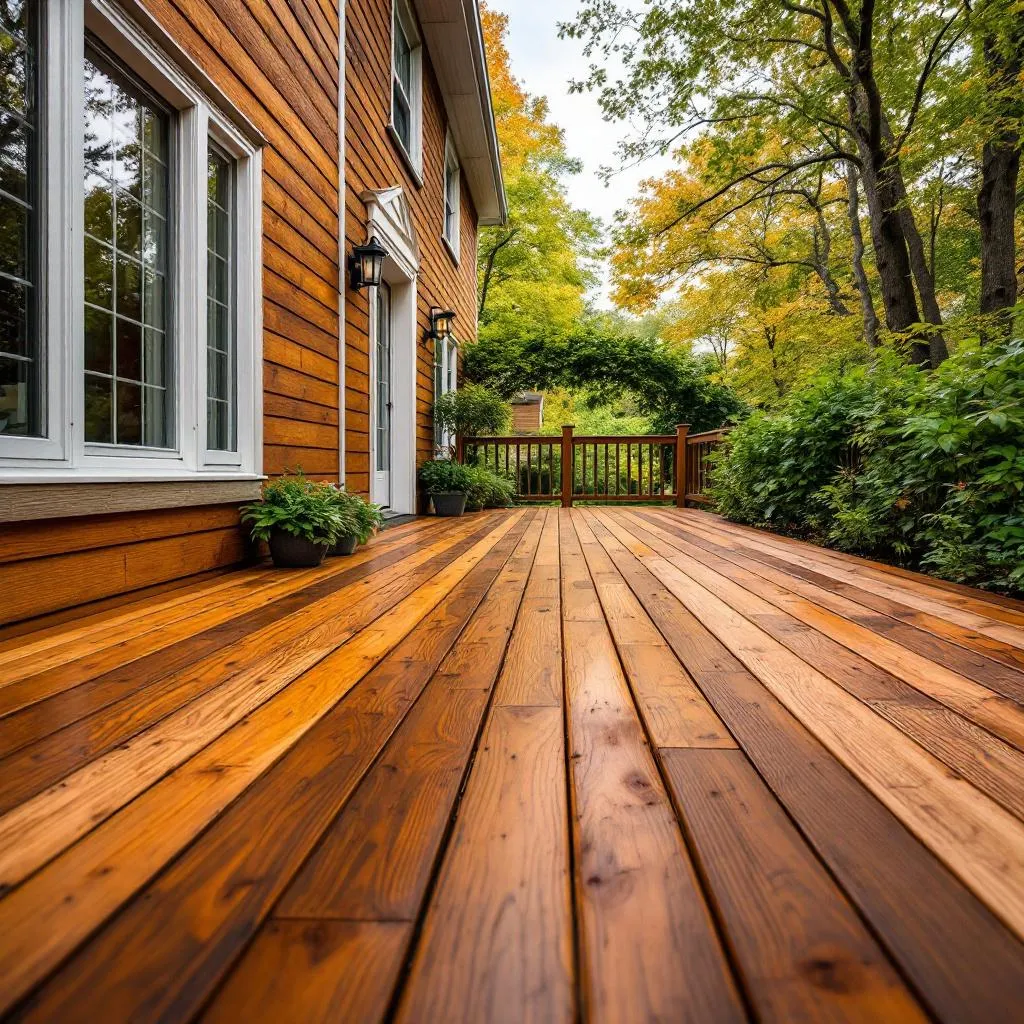
As the vibrant hues of fall give way to the frosty embrace of winter, homeowners in West Michigan must turn their attention to preserving their outdoor investments. Decks and fences, key features of any home, require special care to withstand the region's harsh winter conditions. But fear not, with the right preparation and staining techniques, your wood structures can emerge from winter unscathed, ready to shine in the spring.
This guide will provide you with the essential steps and insights needed to protect your deck and fence through effective staining, ensuring they remain beautiful and functional for years to come.
Understanding the Importance of Staining
The unique climate of West Michigan, with its freeze-thaw cycles, humidity, and salt air near Lake Michigan, can wreak havoc on unprotected wood. Without the proper treatment, decks and fences are susceptible to moisture infiltration, leading to warping, cracking, and rot. Staining acts as a shield, providing a protective barrier against these elements while enhancing the natural beauty of the wood.
Why Staining Matters
- Moisture Resistance: Staining seals wood pores, preventing moisture from penetrating and causing damage.
- UV Protection: Quality stains offer protection against the sun’s harmful UV rays, which can fade and degrade wood over time.
- Aesthetic Appeal: Stains enhance wood grain and color, offering a polished and attractive finish that complements your home’s exterior.
Preparing Your Deck and Fence for Staining
Before you can apply the stain, proper preparation is crucial. This ensures the stain adheres well and provides maximum protection.
Step 1: Inspect and Repair
Begin by thoroughly inspecting your deck and fence for any signs of damage. Look for loose nails, screws, or boards that might need replacement. Addressing these issues beforehand ensures a smooth staining process and a better-looking final result.
Step 2: Clean Thoroughly
A clean surface is essential for effective staining. Use a pressure washer to remove dirt, mildew, and old stain remnants. Be cautious with the pressure setting to avoid damaging the wood. If a pressure washer is unavailable, a stiff brush and a wood cleaner can also do the job.
Step 3: Sand the Surface
Sanding the wood helps remove any remaining old stain and smooths out rough spots. Start with coarse sandpaper (around 80-grit) and finish with a finer grit (120-grit) for a polished surface. This step is particularly important for older decks and fences that might have accumulated significant wear and tear.
Choosing the Right Stain
Selecting the appropriate stain is crucial to achieving the desired look and level of protection.
Types of Stains
- Transparent Stains: These offer minimal color change, highlighting the natural beauty of the wood grain. Best used on newer wood with minimal imperfections.
- Semi-Transparent Stains: Provide a slight color tint while allowing the wood grain to show through. They offer a balance between aesthetics and protection.
- Solid Stains: These provide the most color coverage, hiding imperfections and offering maximum protection. Ideal for older, more weathered wood.
Factors to Consider
- Climate: Opt for stains specifically formulated for the West Michigan climate, ensuring they can withstand moisture and temperature variations.
- Wood Type: Different wood types may require specific stain formulations to achieve the best results.
- Color Preference: Choose a color that complements your home’s exterior and landscape.
Staining Process: Step-by-Step
Once your deck and fence are prepped and you’ve chosen the right stain, it’s time to apply it. Here’s how to do it effectively:
Step 1: Gather Your Materials
You'll need high-quality brushes, rollers, or a sprayer, depending on your preference and the size of the area to be stained. Ensure you have plenty of drop cloths to protect surrounding areas from stain splatters.
Step 2: Apply the Stain
Begin by applying the stain to the edges and corners using a brush. This allows for more precision in these tricky areas. For larger surfaces, use a roller or sprayer for even application. Always apply the stain in the direction of the wood grain to ensure a uniform finish.
Step 3: Allow for Proper Drying
After applying the stain, allow adequate drying time, as specified by the manufacturer. Drying times can vary based on temperature and humidity, so it’s crucial to check the weather forecast and choose a day with optimal conditions.
Step 4: Apply a Second Coat (if necessary)
Depending on the type of stain and the desired finish, you may need to apply a second coat. Follow the same application process, ensuring the first coat is completely dry before proceeding.
Maintenance Tips for Longevity
Staining your deck and fence is not a one-time task. Regular maintenance will extend the life of the wood and keep it looking its best.
Routine Inspections
Perform regular inspections, especially after winter, to check for signs of wear or damage. Address any issues promptly to prevent further deterioration.
Annual Cleaning
Even with a protective stain, decks and fences require annual cleaning to remove dirt, mildew, and debris. This will help maintain the appearance and effectiveness of the stain.
Reapply Stain as Needed
Depending on the stain type and exposure conditions, you might need to reapply the stain every 2-3 years. Transparent and semi-transparent stains typically require more frequent reapplication than solid stains.
Professional Staining Services: When to Call the Experts
While staining can be a rewarding DIY project, some homeowners may prefer the peace of mind that comes with hiring professionals. Here are a few reasons to consider professional outdoor staining services:
- Expertise and Efficiency: Professionals have the tools and experience to complete the job quickly and effectively.
- Quality Results: With access to high-quality stains and equipment, professionals can achieve a finish that might be difficult for amateurs.
- Time-Saving: Save yourself the time and effort of a complex project, especially for large decks or fences.
Take Action: Protect Your Outdoor Investment
Your deck and fence are more than just wooden structures; they’re integral parts of your home that provide beauty, functionality, and value. By following this guide, you can ensure they remain protected against West Michigan’s challenging climate.
Ready to give your deck and fence the protection they deserve? Whether you choose to tackle the task yourself or enlist the help of a professional, taking action now will ensure your outdoor spaces are ready to face winter's challenges and welcome spring with open arms. For those who prefer expert assistance, contact local staining experts who understand the unique needs of West Michigan homes and can provide reliable, high-quality results.
Ready to protect your deck and fence from the harsh West Michigan winter? Schedule your free estimate with Gordon Painting today and let's enhance your outdoor spaces. With over 20 years of local expertise, we use proven techniques and premium stains for long-lasting results. Contact us now to keep your investment safe and beautiful!

.svg)